

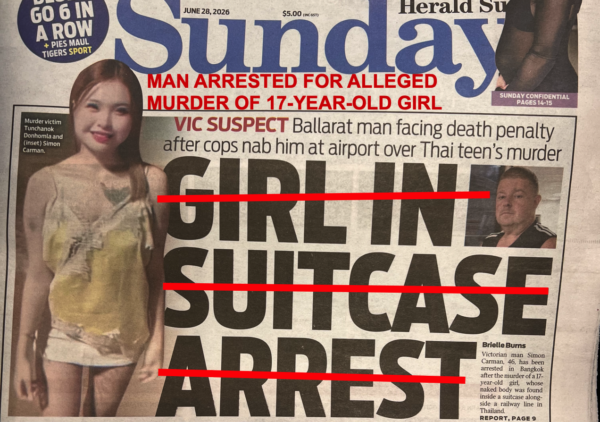
Center Accountability in News Headlines
Demand accurate, responsible reporting that prioritizes accountability, survivor dignity, and public safety.
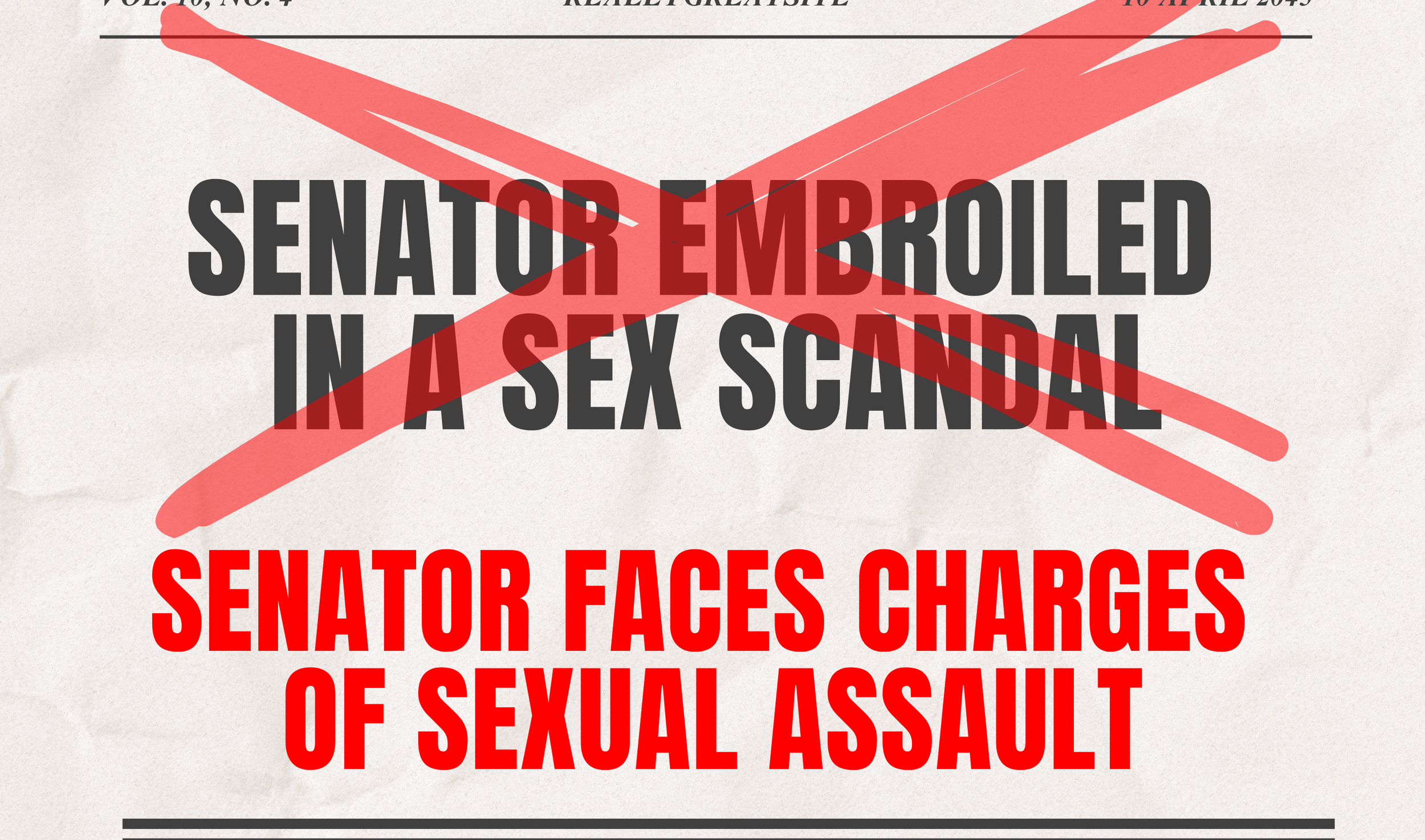
Image: Action AllianceEvery time a story about domestic violence, sexual violence, or domestic homicide breaks in the news, something important happens beyond the facts of the case: a narrative forms.
That narrative, shaped by the words journalists choose and the people they center, can either move our communities closer to understanding and preventing violence, or discreetly reinforce the myths that allow it to continue.
Fixing News Headlines
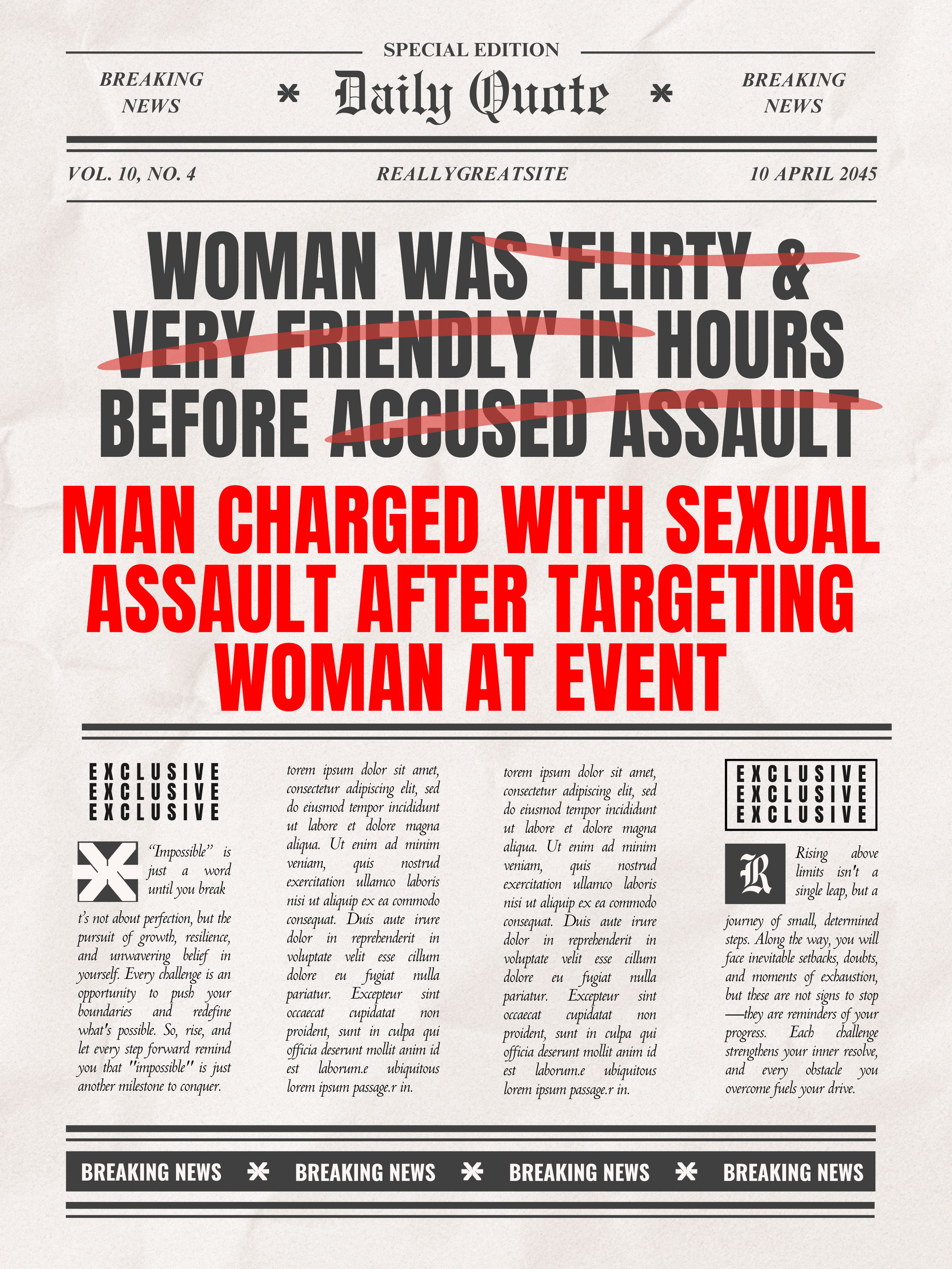
Image: Action AllianceWhen a headline centers a perpetrator’s professional accomplishments instead of the violence they committed, it subtly shifts accountability away from the person who caused harm.
When coverage describes an abuser as a “jilted lover” or frames a domestic homicide as a “tragedy” without naming it as an intentional act of violence, it can make the unthinkable seem inevitable. When survivors are described as having “admitted” something, or when a victim’s clothing or behavior is treated as relevant context, it subtly places blame on the people who were harmed.
None of this is usually intentional. Journalists work under tremendous pressure, often within minutes of a breaking story, drawing on language patterns that are deeply embedded in our culture.
That is why it's important for readers and viewers to call out news reports that sensationalize violence, blames victims, centers the person who caused harm, or engages in a host of other problematic and common reporting errors...and ask for a correction.
The Power of the Story
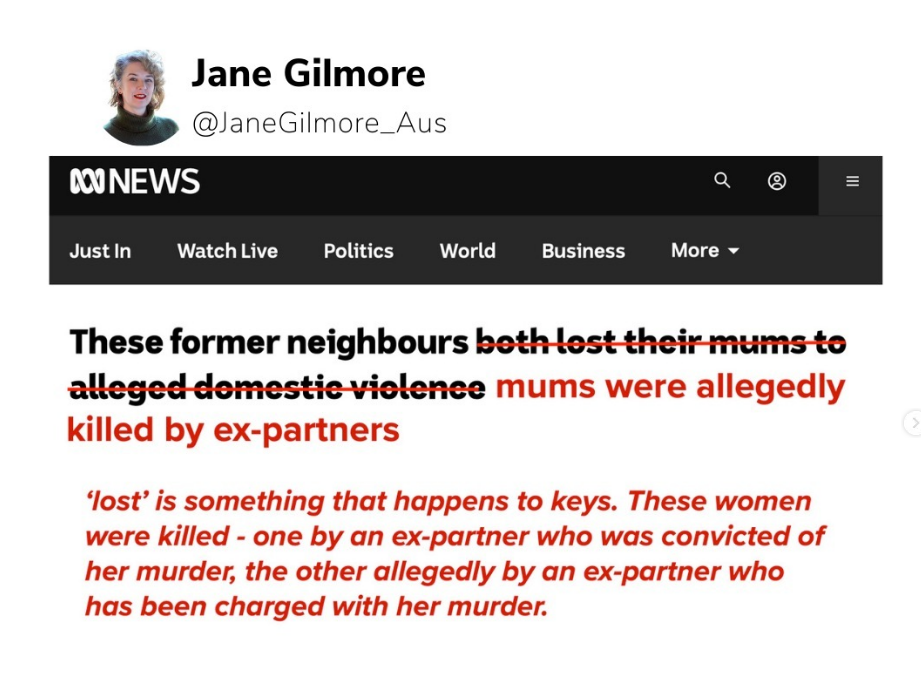
Image: JaneGilmore.com Jane Gilmore, an Australian journalist, has been single-handedly taking on this challenge since 205 and sharing her "FixedIt" examples through her Instagram page. Your group could start your own Instagram page for the U.S!
Collect examples of problematic headlines, gather your group, have fun rewriting the headlines and then naming the errors publicly so other news consumers start to think more critically about the headlines they read.
What is the #FixedIt Project?
How to start
Gather a group of folks who are interested in getting the story straight, review Jane Gilmore's Instagram page for inspiration, and ask your friends to send you examples of problematic headlines that need to be fixed.
Your group could start its own Insta page, Facebook page, or simply post on your individual social media feeds to share your fixed headlines. Give your project or group a name and be sure to tag your posts!
Image: Action AllianceAccurate, trauma-informed reporting shapes whether survivors feel believed, whether communities recognize warning signs, and whether perpetrators are held accountable in the eyes of their peers.